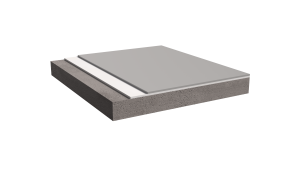
RINOL PERM
A water-based, jointless sealing system for light to medium duty. Its data sheet states resistance to mineral oils, diesel, kerosene and petrol.

Workshops, warehouses and maintenance areas are where oils, diesel, kerosene and petrol are used every day. A spill that is not cleaned quickly soaks into untreated concrete, leaves permanent stains and creates a slip hazard. Over time the floor deteriorates exactly where it is used most.
An oil resistant floor, built for these conditions, keeps the surface sealed, makes spills easy to remove and protects the concrete beneath. The right system depends on how often the contact happens and how heavy the traffic is.
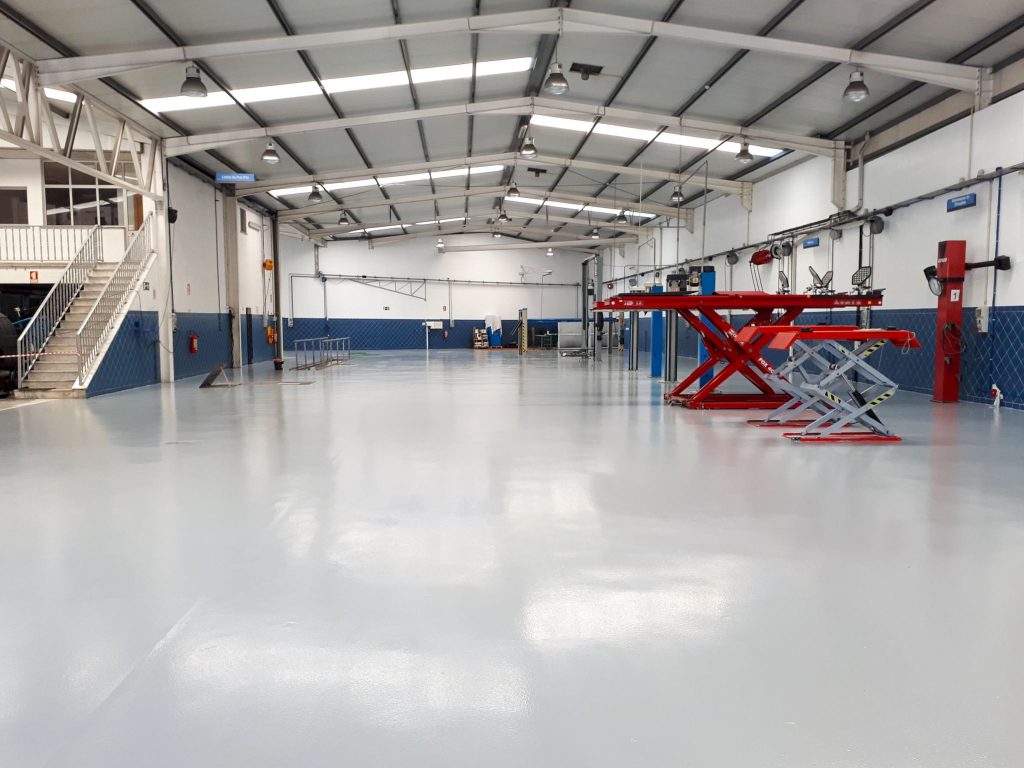
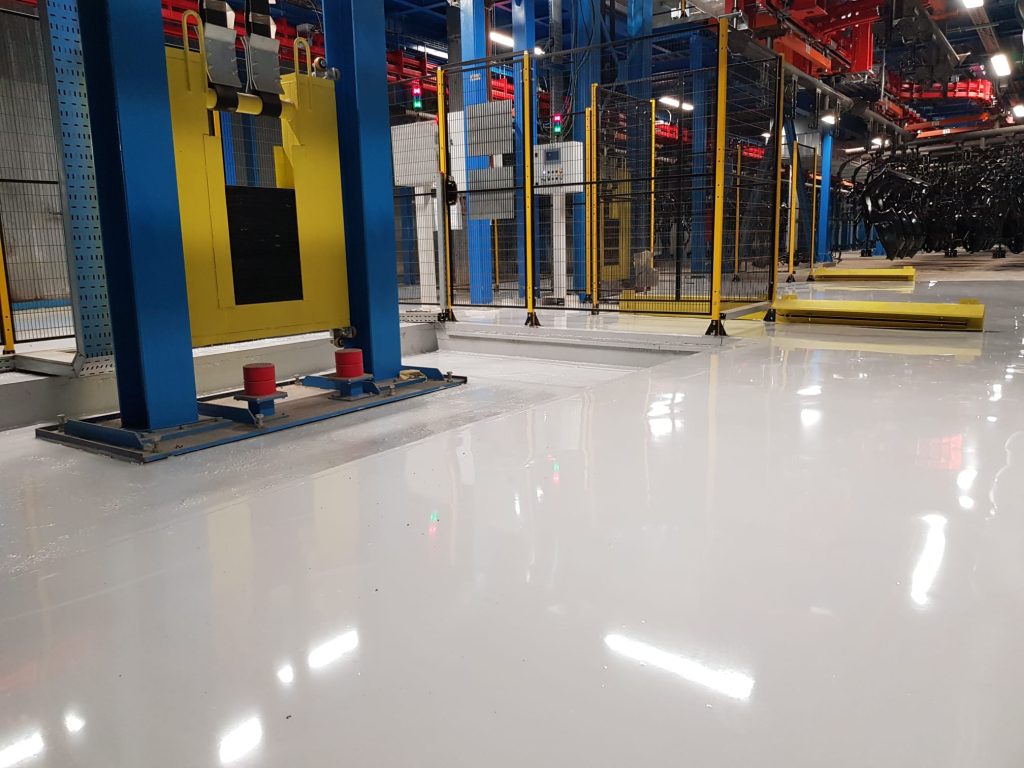
The RINOL systems below state their resistance to mineral oils, diesel, kerosene and petrol in their data sheets. We select the system according to the type of contact, the traffic and the finish needed for the area.
For an occasional spill in a light-duty area, a sealing system is often enough. For more demanding chemical exposure, a vinylester or chemical-resistant epoxy is the better choice.
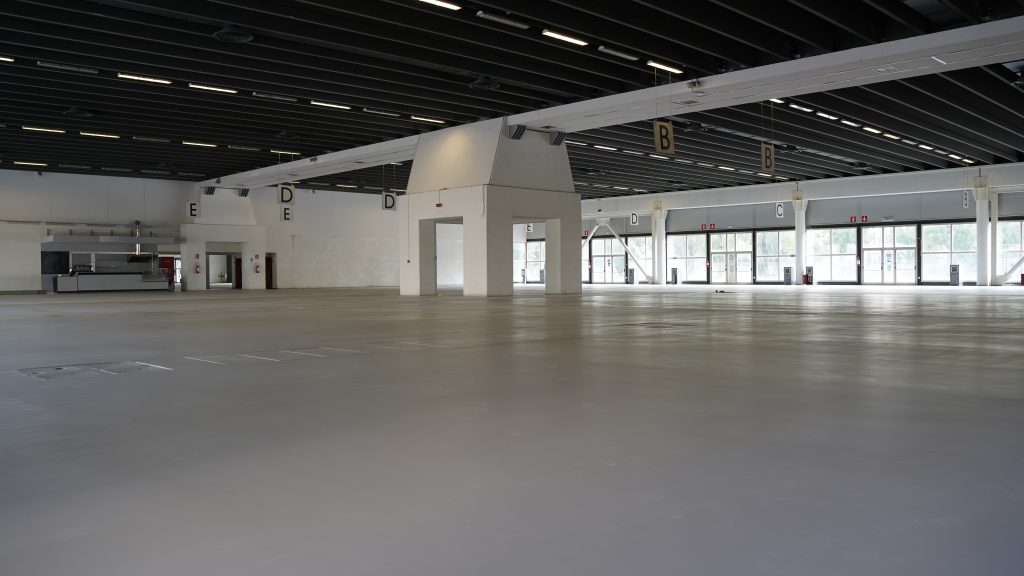
A water-based, jointless sealing system for light to medium duty. Its data sheet states resistance to mineral oils, diesel, kerosene and petrol.
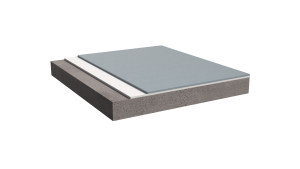
A jointless sealing system for areas exposed to chemical spillages, with a sand-scattered anti-slip finish available.
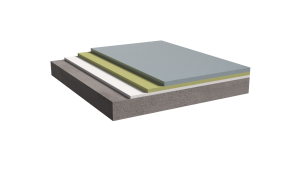
A high chemical resistance vinylester system, jointless, for areas with strong chemical exposure.
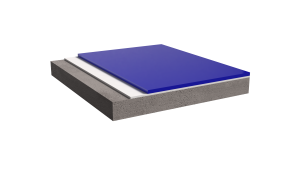
A two-layer chemical-resistant epoxy system, available smooth or anti-slip, for medium to heavy duty industrial floors.
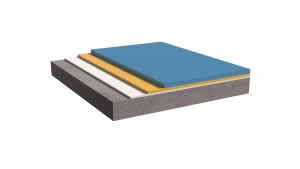
A two- or three-layer epoxy system with chemical resistance and crack-bridging properties.