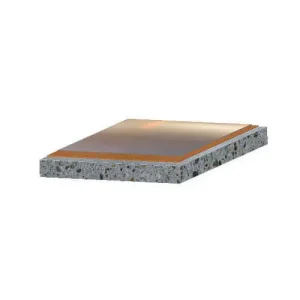
Surface coatings for concrete floors: dust control and sealing

Dust is one of the most common complaints in warehouses, workshops and light production. It settles on products, gets into machinery and shows up on the cleaning bill. Concrete that has not been treated keeps releasing fine particles as it wears, and the problem grows with every shift.

A concrete floor sealant forms a thin protective coating that binds the dust and makes the floor easier to keep clean. It is a practical choice for light to medium duty areas where a full resin floor is not required.

Talk to our technical team
concrete floor sealant

What makes dust a problem

  • Dust that damages products, packaging and sensitive equipment.
  • Concrete that becomes rougher and more porous with traffic.
  • Cleaning routines that move dust around rather than removing it.
  • Surfaces that look worn and make a workplace feel less cared for.
  • The need to keep a clean working environment without a full resin installation.
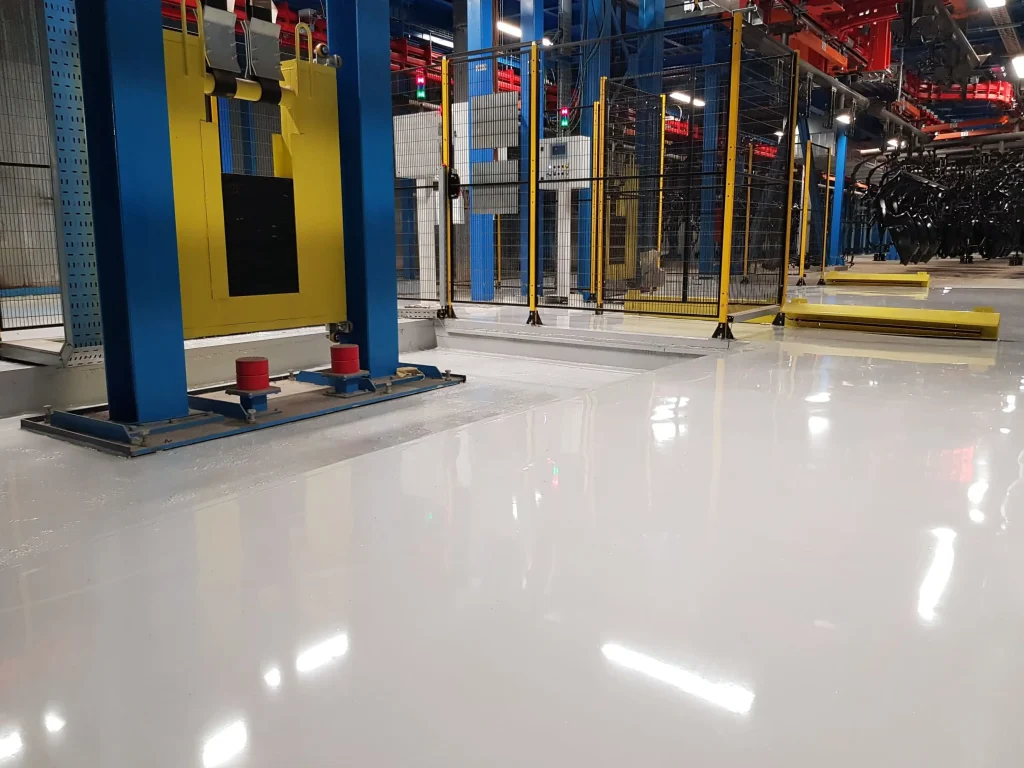
Dust Control Treatment in an industrial floor

How RINOL seals and protects concrete

Our sealing systems are jointless, so they form a continuous surface that is simple to clean. They suit light to medium duty industrial areas, and they can be finished smooth or with an anti-slip texture when the area needs it.

We recommend the system after a site visit, so that the coating matches the traffic, the cleaning routine and the finish the area needs.

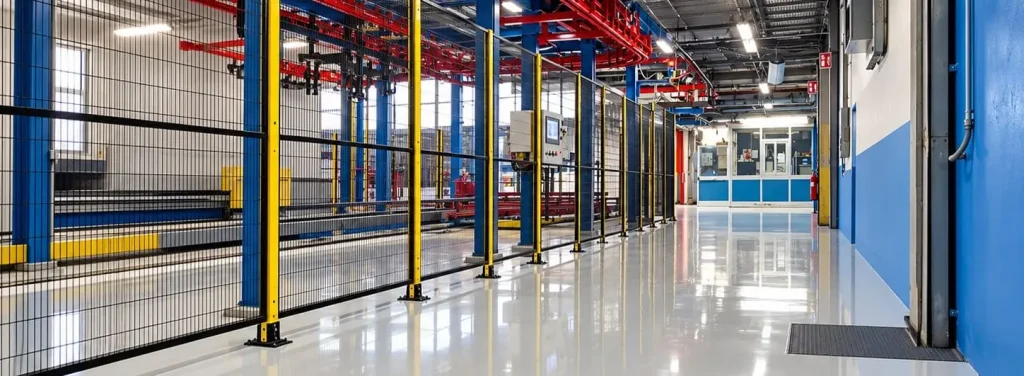
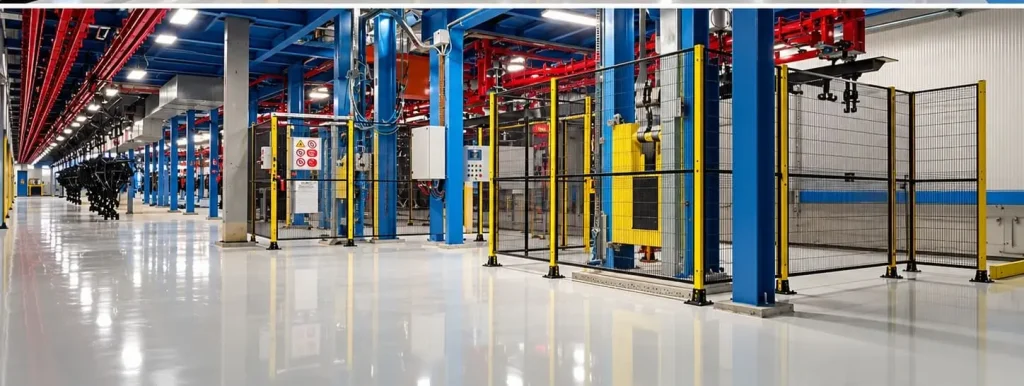
Concrete sealant for industrial flooring

Recommended systems

rinol sealing

RINOL SEALING

A jointless sealing system for light to medium duty industrial floors. It hardens and protects the surface and binds the dust.

rinol sealing le

RINOL SEALING LE

A low-emission, jointless sealing system for light to medium duty industrial floors, suited to occupied areas.
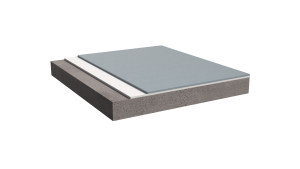
Rinol Sealing CR

RINOL SEALING CR

A jointless sealing system for industrial floors exposed to chemical spillages, with a sand-scattered anti-slip finish available.

Certifications and standards

The certifications and standards below are those stated in the data sheet of each system.

SystemCertification or standard
RINOL SEALING
  • CE marking, as stated in the data sheet (EN 13813 / EN 1504-2).
RINOL SEALING LE
  • CE marking, as stated in the data sheet (EN 13813 / EN 1504-2).
  • Indoor Air Comfort Gold (low VOC emissions), as stated in the data sheet.
  • The data sheet states that the system supports compliance with BREEAM criteria. This contributes to a project's assessment; it is not a certification of the product.
RINOL SEALING CR
  • CE marking, as stated in the data sheet (EN 13813 / EN 1504-2).
  • DIN 51130 slip class R9–R13, as stated in the data sheet.

Choosing the right coating

Light-duty area where dust is the main concern RINOL SEALING
Occupied area or low-emission requirement RINOL SEALING LE
Area with chemical spillages and a need for grip RINOL SEALING CR

Frequently asked questions

Is a surface coating enough for a warehouse?

For light to medium duty, yes. For heavy traffic or heavy loads, a full resin system is the better choice, and we will recommend it after a site visit.

Does the coating reduce dust?

Yes. The sealing systems are described in their data sheets as binding the dust on the surface.

How long does an application take?

Because a sealing system is a thinner build-up than a full resin floor, it suits areas that need a simpler installation.

Can the coating be applied on an existing floor?

In most cases, yes, after cleaning and preparation of the surface. A site survey confirms the preparation needed.

Is the coating suitable for an occupied building?

The low-emission option, RINOL SEALING LE, is the right choice for occupied areas.

Talk to our technical team

Tell us the area and the main concern: dust, appearance or wear. Our technical team will recommend a coating and arrange a site visit.